
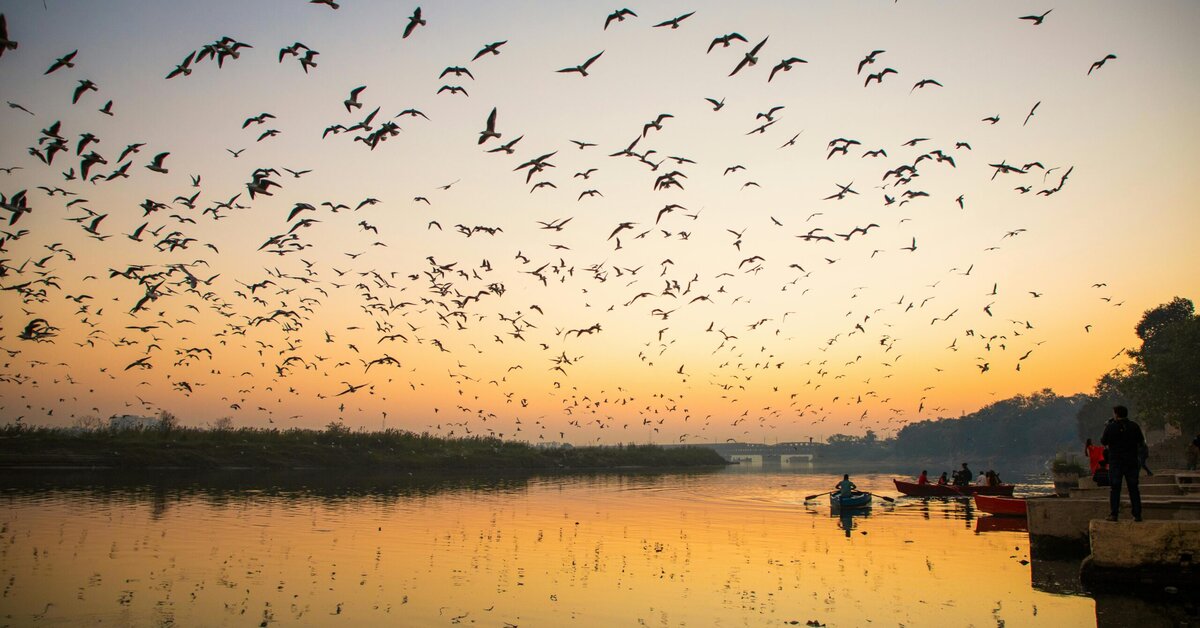
Magh Mela Camps for Senior Citizens Safety Toilets & Medical , Have you ever wondered what draws millions of devotees to the holy confluence of rivers every year? Magh Mela, one of India’s most significant religious gatherings, transforms the city of Prayagraj into a spiritual hub where faith meets devotion. For senior citizens, this pilgrimage holds profound spiritual importance, representing perhaps a once-in-a-lifetime opportunity to cleanse their souls in sacred waters.
But let’s face it—attending such a massive event at an advanced age comes with legitimate concerns. How safe is it? What about basic facilities like toilets? What if there’s a medical emergency? These aren’t trivial questions, and thankfully, organizers have recognized the unique needs of elderly pilgrims. Specialized camps for senior citizens have emerged as a thoughtful solution, combining spiritual fulfillment with practical comfort and safety.
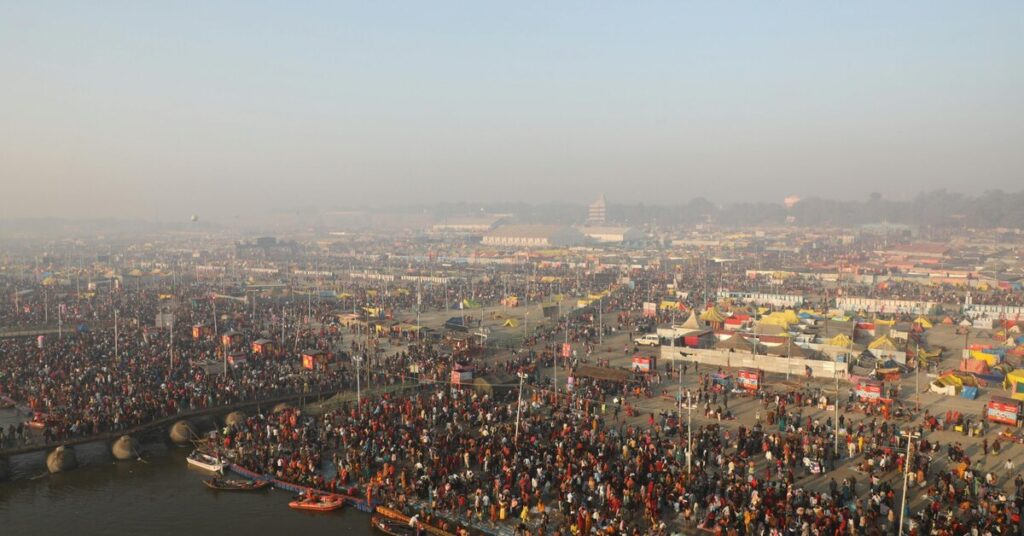
Understanding Magh Mela – A Sacred Gathering
Magh Mela takes place annually during the Hindu month of Magh, roughly corresponding to January-February. Held at the Triveni Sangam in Prayagraj, where the Ganges, Yamuna, and the mythical Saraswati rivers meet, this mela attracts devotees seeking spiritual purification through holy dips.
Unlike the Kumbh Mela, which occurs every twelve years, Magh Mela happens every year, making it more accessible for those who cannot wait for the grand Kumbh. The atmosphere buzzes with religious fervor, with sadhus, pilgrims, and families setting up temporary camps along the riverbanks. For seniors, particularly those who’ve nurtured this dream throughout their lives, attending Magh Mela represents the fulfillment of a deeply personal spiritual journey.
Why Senior Citizens Attend Magh Mela
What compels elderly individuals to brave the cold winter months and massive crowds? The answer lies in faith and tradition. Many believe that bathing in the Sangam during Magh washes away sins and brings them closer to moksha (liberation). For senior citizens, this pilgrimage often represents a spiritual milestone—a way to seek blessings in their twilight years.
There’s also a cultural dimension. Attending Magh Mela with family or community members strengthens bonds and creates lasting memories. Some seniors view it as passing down traditions to younger generations, showing them the importance of faith and devotion. The experience transcends mere ritual; it becomes a celebration of life, spirituality, and heritage.
Special Camps Designed for Senior Citizens
Recognizing that elderly pilgrims need extra care and facilities, various organizations, private operators, and government bodies now offer dedicated senior citizen camps at Magh Mela. These camps aren’t just basic shelters—they’re thoughtfully designed spaces that prioritize comfort, safety, and accessibility.
What Makes These Camps Different?
Standard camps might offer little more than a tent and basic amenities, but senior citizen camps go several steps further. They’re typically located in quieter sectors, away from the most congested areas, reducing the stress of navigating massive crowds. The layout considers mobility challenges, with shorter walking distances to essential facilities like toilets, dining areas, and bathing ghats.
These camps also maintain a more controlled environment. Entry is often restricted to registered guests and their families, creating a secure, community-like atmosphere. Volunteers and staff specifically trained to assist elderly individuals are always present, ready to help with everything from carrying luggage to providing companionship.
Safety Measures in Magh Mela Camps for Seniors
Safety tops the priority list when it comes to senior citizen camps. Let’s explore the comprehensive measures put in place to ensure elderly pilgrims can participate in this sacred event without compromising their wellbeing.
Crowd Management and Security Personnel
One of the biggest challenges at any large gathering is crowd control. For seniors, who may have difficulty moving quickly or assertively through crowds, this becomes even more critical. Dedicated camps employ trained security personnel who manage entry and exit points, ensuring that only authorized individuals access the camp areas.
Security staff also assist during peak bathing times, helping create protected pathways to the ghats. Many camps coordinate with local police to ensure round-the-clock surveillance. Identity verification at entry points prevents unauthorized access, giving families peace of mind that their elderly loved ones are in a protected environment.
Emergency Evacuation Plans
What happens if there’s an emergency? Good camps don’t just react—they prepare. Emergency evacuation plans are established before the mela begins, with clearly marked exit routes and assembly points. Staff members receive training in emergency protocols, knowing exactly how to assist mobility-challenged seniors during evacuations.
Communication systems, including loudspeakers and walkie-talkies, ensure that emergency information reaches everyone quickly. Some premium camps even provide personal emergency buttons or wristbands that seniors can activate if they need immediate assistance.
Safe Pathways and Railings
Walking on uneven ground or navigating temporary bridges can be hazardous for seniors. Thoughtful camp organizers install railings along pathways, particularly on routes leading to toilets, dining areas, and bathing points. Anti-slip mats are placed in areas prone to getting wet, and adequate lighting ensures visibility even during early morning or evening hours.
Wide pathways accommodate wheelchairs and walkers, and regular inspections ensure that no obstacles create tripping hazards. It’s these seemingly small details that make a tremendous difference in preventing falls and injuries.
Toilet and Sanitation Facilities
Let’s talk about something essential but often overlooked—toilet facilities. For senior citizens, especially those with mobility issues or specific health conditions, access to clean, appropriate toilets isn’t a luxury; it’s a necessity.
Clean and Accessible Toilets
Senior citizen camps pride themselves on maintaining high sanitation standards. Unlike public toilets at the mela, which can be overwhelmed during peak times, camp toilets serve a limited number of guests, making it easier to keep them clean and functional.
These facilities are strategically located within the camp premises, minimizing the distance seniors need to walk. Many camps provide separate, gender-specific toilet blocks with adequate lighting and ventilation. The goal is to replicate home-like comfort as much as possible in a temporary setting.
Western-Style Toilets for Mobility Issues
Here’s something many people don’t consider: traditional Indian-style toilets require squatting, which can be extremely difficult or impossible for seniors with knee problems, arthritis, or hip issues. Recognizing this, quality senior citizen camps install Western-style commodes with raised seats, making them accessible for those with limited mobility.
Support railings are installed beside toilets to help seniors sit down and stand up safely. Some camps even provide portable commodes within or near tents for those who have difficulty walking to toilet blocks, especially during nighttime hours.
Regular Cleaning and Maintenance
Maintaining cleanliness in temporary facilities requires constant effort. Camp operators employ dedicated cleaning staff who work in shifts to ensure toilets remain hygienic throughout the day and night. Regular water supply, proper drainage, and waste management systems are established before the mela begins.
Many camps also provide hand sanitizers, soap, and tissue paper at all toilet facilities. Proper disposal systems for sanitary waste and medical supplies ensure that the camp environment remains healthy for everyone.
Medical Facilities Available at Senior Citizen Camps
Medical emergencies can happen anywhere, anytime. For elderly individuals, the risk increases, making robust medical support non-negotiable at Magh Mela camps.
On-Site Medical Teams
Quality senior citizen camps maintain on-site medical facilities staffed by qualified doctors and nurses. These aren’t just first-aid stations—they’re equipped to handle common health issues that seniors might face, from blood pressure fluctuations and blood sugar imbalances to respiratory problems and minor injuries.
Medical teams conduct regular health check-ups for camp residents, monitoring vital signs and identifying potential problems before they become emergencies. This proactive approach has saved many lives and prevented serious complications.
Ambulance Services and Quick Response
Despite best efforts, some situations require hospital-level care. For such cases, camps maintain tie-ups with nearby hospitals and have ambulance services on standby. Communication systems ensure that ambulances can be summoned within minutes, not hours.
Some camps even provide medical escorts who accompany seniors to hospitals, staying with them until family members arrive. This compassionate touch makes a world of difference when elderly individuals face health scares far from home.
Medicine Availability
Forgetting medication or running out during the stay is a common concern. Camp medical facilities typically stock common medicines used by seniors, including medications for diabetes, hypertension, heart conditions, and pain relief. Pharmacists or medical staff can provide these medicines, though it’s always advisable for seniors to bring their own prescriptions.
Some camps even coordinate with local pharmacies for 24-hour medicine delivery, ensuring that specific medications can be obtained quickly if needed.
Accommodation and Comfort Features
Comfort matters, especially when you’re staying in a temporary camp during winter months. Senior citizen camps understand this and go the extra mile to ensure elderly guests don’t just survive their stay—they actually enjoy it.
Heated Tents and Bedding
January nights in Prayagraj can be bitterly cold. Recognizing this, premium camps provide heated tents or rooms with proper insulation. Room heaters, hot water bags, and extra blankets are standard provisions. Comfortable beds with mattresses, pillows, and clean bedding replace the basic sleeping mats found in standard camps.
Some camps even provide separate sleeping and sitting areas within larger tents, giving families privacy and space. Electrical connections allow seniors to charge their phones and use personal medical devices like CPAP machines or nebulizers.
Dietary Considerations
Nutrition is crucial, particularly for seniors with dietary restrictions or health conditions. Quality camps provide nutritious, easily digestible meals prepared with hygiene as the top priority. Menus consider common dietary needs—low-salt options for those with hypertension, diabetic-friendly meals with controlled sugar, and soft foods for those with dental issues.
Hot meals are served at regular intervals, and many camps accommodate special requests with advance notice. The availability of clean drinking water throughout the day ensures proper hydration, which is especially important in the dry winter climate.
Booking and Registration Process
Planning ahead makes all the difference. Most senior citizen camps require advance booking, especially during peak dates. The registration process typically involves filling out forms with personal details, emergency contact information, and any specific medical needs or dietary requirements.
Payment options vary from camp to camp, with prices depending on the level of facilities provided. Government-subsidized camps offer basic amenities at minimal cost, while private operators provide luxury options with premium pricing. It’s advisable to book well in advance, as good camps fill up quickly.
Many organizations now offer online booking systems, making it easier for families to secure accommodations from anywhere. Reading reviews and checking references helps ensure you’re choosing a reputable camp with a track record of good service.
Tips for Senior Citizens Attending Magh Mela
Planning to attend Magh Mela? Here are some practical tips to make your experience safer and more comfortable:
Health Check First: Get a medical check-up before traveling. Ensure you’re fit enough for the journey and the cold weather.
Pack Smart: Bring all regular medications with prescriptions, warm clothing including thermal wear, comfortable walking shoes with good grip, and copies of important documents.
Stay Hydrated: Drink plenty of water even if you don’t feel thirsty. Winter air can be deceptively dehydrating.
Don’t Go Alone: Always have a companion, family member, or friend with you. Wear identification with emergency contact details.
Respect Your Limits: Don’t push yourself too hard. If you feel tired or unwell, rest. The spiritual benefit comes from devotion, not from exhausting yourself.
Follow Bathing Guidelines: Take holy dips during designated times when crowds are manageable. Use railings and accept help when offered.
Keep Communication Open: Ensure your mobile phone is charged and you know how to contact camp authorities or emergency services.
Conclusion
Magh Mela represents a beautiful convergence of faith, tradition, and community. For senior citizens, it’s an opportunity to fulfill lifelong spiritual aspirations in an environment that, thankfully, is becoming increasingly accommodating to their needs. The availability of specialized camps with enhanced safety measures, proper toilet facilities, and comprehensive medical support has transformed what could be a daunting experience into a manageable and meaningful pilgrimage.
These camps aren’t just about providing shelter—they’re about honoring the devotion of elderly pilgrims by ensuring their comfort, dignity, and safety. Whether you’re planning to attend yourself or helping an elderly family member make this journey, knowing that such thoughtful arrangements exist should provide considerable peace of mind.
The key is planning ahead, choosing the right camp, and being realistic about physical limitations. With proper preparation and the right support systems in place, senior citizens can fully immerse themselves in the spiritual richness of Magh Mela without compromising their health or safety.
FAQs
1. Are senior citizen camps at Magh Mela expensive?
Costs vary significantly based on the level of facilities provided. Government-subsidized camps offer basic amenities at minimal charges, sometimes as low as a few hundred rupees per day. Private operators provide camps ranging from mid-range options (₹2,000-5,000 per day) to luxury accommodations (₹10,000+ per day) with premium facilities. The investment often proves worthwhile considering the safety, comfort, and peace of mind these camps provide.
2. Can senior citizens with mobility issues or wheelchairs attend Magh Mela?
Absolutely! Many senior citizen camps are specifically designed to accommodate guests with mobility challenges. They provide wheelchair-accessible pathways, ramps, Western-style toilets with support railings, and assistance from trained staff. It’s important to inform camp organizers about specific mobility needs during booking so they can make appropriate arrangements.
3. What kind of medical emergencies can be handled at camp medical facilities?
Camp medical facilities typically handle common health issues like blood pressure fluctuations, blood sugar imbalances, minor injuries, respiratory problems, fever, and gastric issues. They’re equipped with basic diagnostic tools and common medications. For serious emergencies requiring hospitalization, camps have arrangements with nearby hospitals and ambulance services for quick transfer.
4. How far are senior citizen camps from the main bathing ghats?
This varies by camp location, but most senior citizen camps are positioned strategically within reasonable distance (typically 500 meters to 2 kilometers) from bathing areas. Many camps arrange transportation services or guided walking groups during peak bathing times. Some premium camps even have direct access to less crowded bathing points, reducing the distance seniors need to walk.
5. Do I need to book senior citizen camps in advance, or can I get accommodation on arrival?
Advance booking is strongly recommended and often mandatory for quality senior citizen camps. Good camps with comprehensive facilities fill up quickly, especially around auspicious bathing dates. Booking in advance (ideally 2-3 months before the mela) ensures you secure accommodation with the facilities you need. While some camps might accept walk-ins, this approach is risky and could leave you without suitable accommodation during peak periods.



Comments are closed.